
How Designers Plan for Seasons and Shade
Outdoor spaces change throughout the year, so thoughtful design involves more than choosing plants that look appealing at the time of installation. Sun exposure shifts with the seasons, temperatures rise and fall, rainfall patterns vary, and trees or nearby structures can create different levels of shade over time. A well-planned landscape takes these changes into account so the property can remain attractive and functional in different conditions. Designers look at sunlight, plant growth, seasonal color, drainage, soil conditions, and how people use the yard before deciding where specific features should go. They also consider how today's planting choices will look several months or years later as trees mature and planting beds fill in. By planning for both seasonal changes and shade, designers can create outdoor spaces that feel more balanced throughout the year rather than performing well during only one part of the year.
Studying Sunlight Throughout the Day
One of the first steps in planning an outdoor area is understanding how sunlight moves across the property. Some areas may receive direct sun for most of the day, while others may be shaded in the morning or afternoon by the home, fences, trees, or neighboring structures. Designers often evaluate these patterns before selecting plants because different species have different light requirements. A plant that thrives in full sun may struggle in a heavily shaded corner, while a shade-tolerant plant may become stressed in an exposed location.
Sunlight patterns can also influence how comfortable different areas feel for people. A patio that receives intense afternoon sun may become too warm during summer, while a seating area positioned beneath a tree may provide a more comfortable place to relax. By understanding which spaces receive direct light and when, designers can create a landscape that uses sunny and shaded areas more intentionally. This planning can influence the placement of planting beds, seating, walkways, and other outdoor features.
Tracking Seasonal Changes in Light
Sun exposure does not remain exactly the same throughout the year. The angle of the sun changes with the seasons, which can cause areas that are sunny in summer to receive less light during winter. Deciduous trees create another seasonal change because their leaves provide shade during warmer months but allow more sunlight to reach the ground after they fall. Designers account for these differences when deciding which plants and features are best suited to specific areas.
Tracking seasonal light can help prevent design choices that work well for only a short period. A planting bed beneath a deciduous tree, for example, may receive substantial sunlight in early spring before the canopy develops and considerably more shade by midsummer. Selecting plants that can tolerate those changing conditions can help the area remain healthy throughout the growing season. This approach makes the landscape more adaptable to the natural changes that occur from one season to another.
Selecting Plants for Changing Conditions
Plant selection is closely connected to both light and seasonal conditions. Designers consider how much sun each area receives, how wet or dry the soil tends to be, and how temperatures affect different plants. Some species perform best in bright, exposed areas, while others prefer filtered light or consistent shade. Matching plants to their growing conditions can reduce stress and help them establish more successfully after installation.
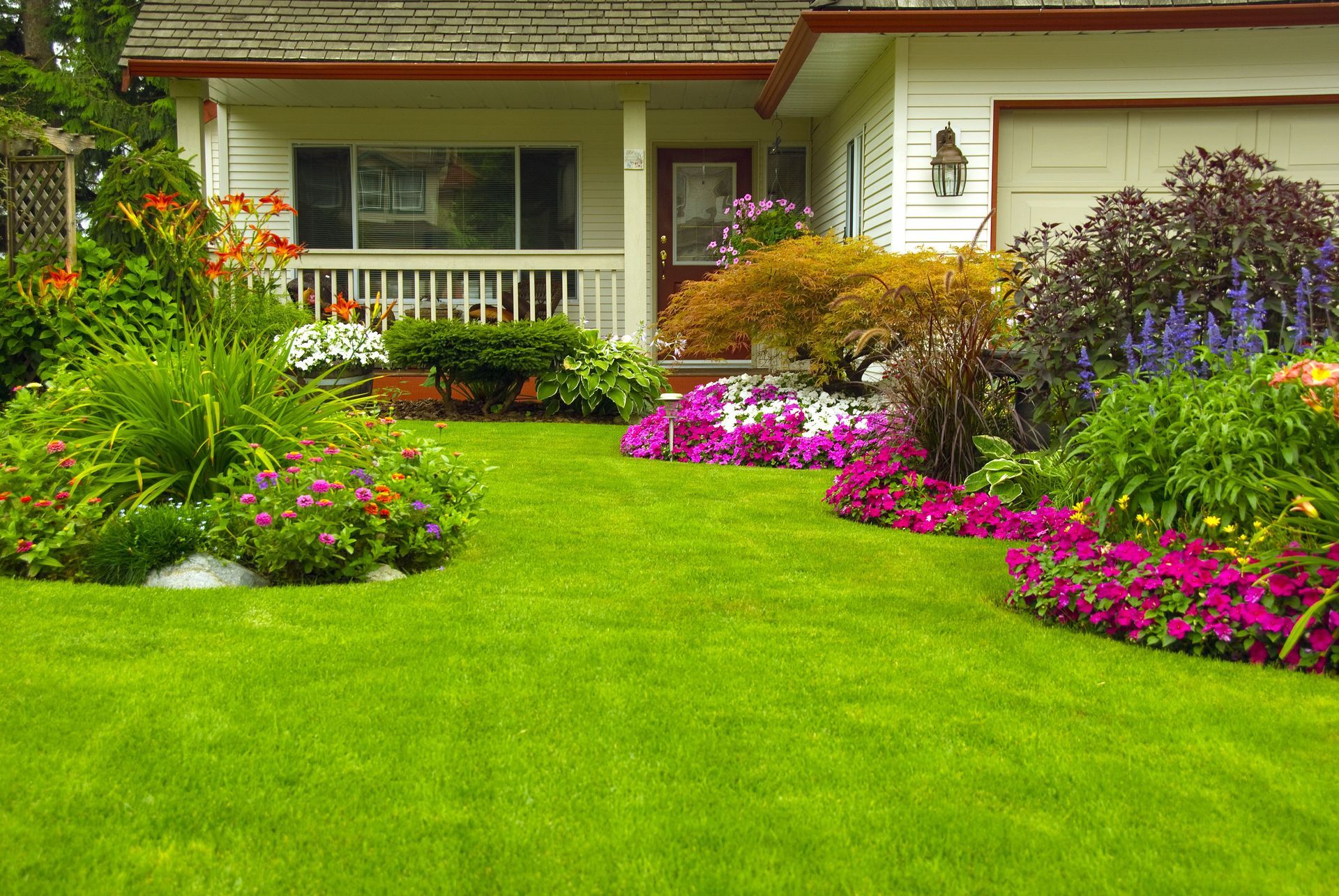
Designers may also combine plants that provide interest at different points during the year. Spring flowers can be paired with summer-blooming plants, fall foliage, evergreen shrubs, or ornamental grasses that maintain structure through colder months. This layered approach helps keep planting areas from looking empty after one group of plants finishes blooming. According to the National Association of Landscape Professionals, over 40% of people in the United States use professional landscaping services. Professional planning can help property owners choose plants that work together across multiple seasons rather than focusing only on immediate appearance.
Planning for Mature Trees and Plant Growth
Shade patterns often change as plants mature. A young tree may cast very little shade during its first few years, but its canopy can eventually cover a large portion of the yard. Shrubs can also widen, and vines or other climbing plants may spread across structures and create additional shade. Designers think about future size when placing plants so the property continues to function as vegetation develops.
Allowing enough room for mature growth can also reduce crowding. Plants installed too closely together may compete for sunlight, water, and space as they expand. They may eventually block windows, interfere with walkways, or shade plants that originally received enough light. Planning the landscape around mature dimensions rather than initial planting size can help maintain proper spacing and reduce the need for excessive pruning or relocation later.
Creating Seasonal Color and Texture
Seasonal planning is not limited to sunlight. Designers also consider how colors, textures, and plant forms will change throughout the year. A yard filled entirely with plants that bloom at the same time may look vibrant for several weeks and much less interesting afterward. Mixing species with different bloom periods and foliage characteristics can help create a more continuous progression of visual interest.
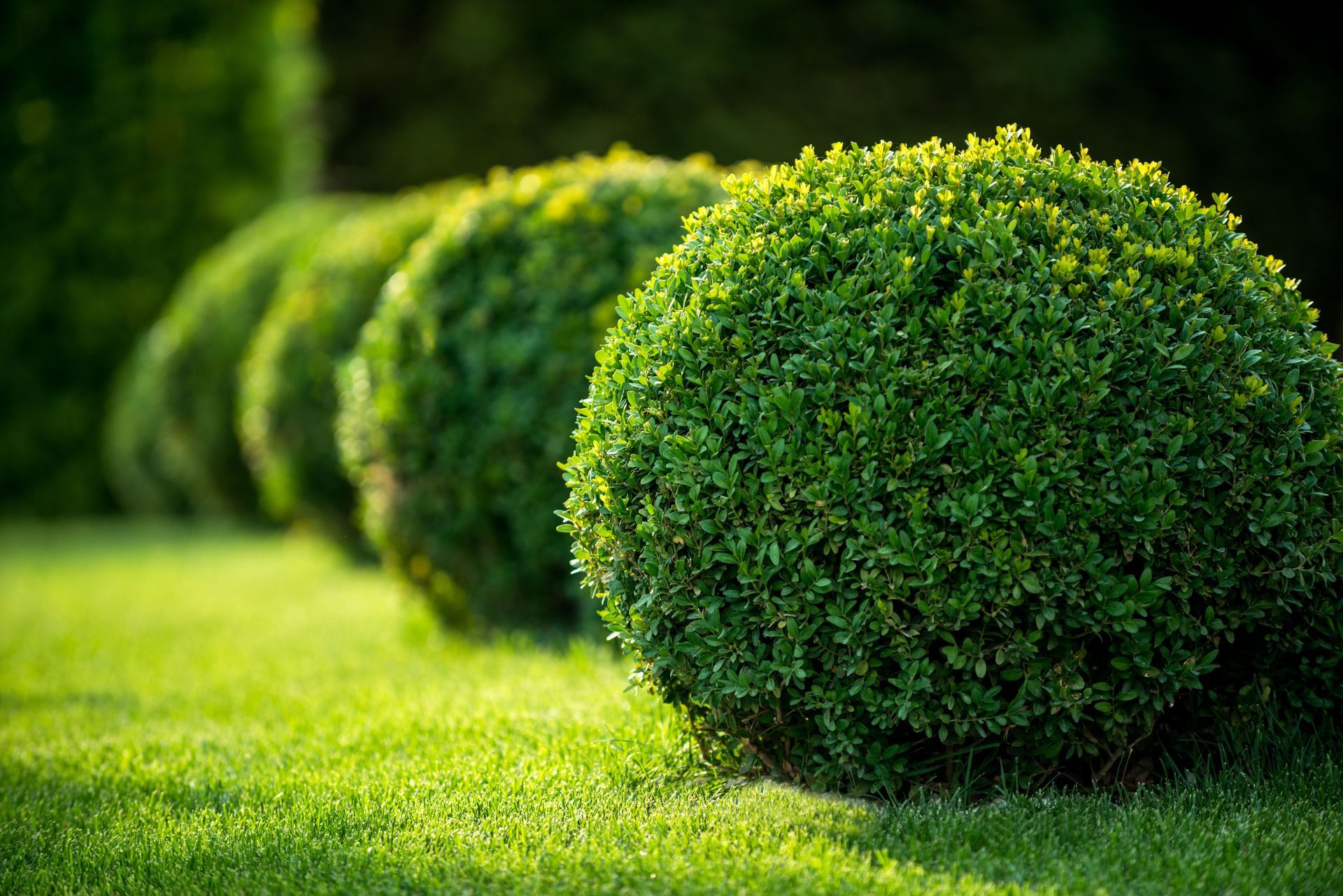
Texture can be especially useful during seasons when fewer plants are flowering. Evergreen foliage, ornamental grasses, bark, seed heads, and branching structures can all contribute to the appearance of the landscape. Designers may use these elements to maintain depth and variety after flowers fade. A balanced combination of seasonal color and year-round structure can make outdoor areas feel more complete across changing weather conditions.
Designing Shade for Outdoor Living
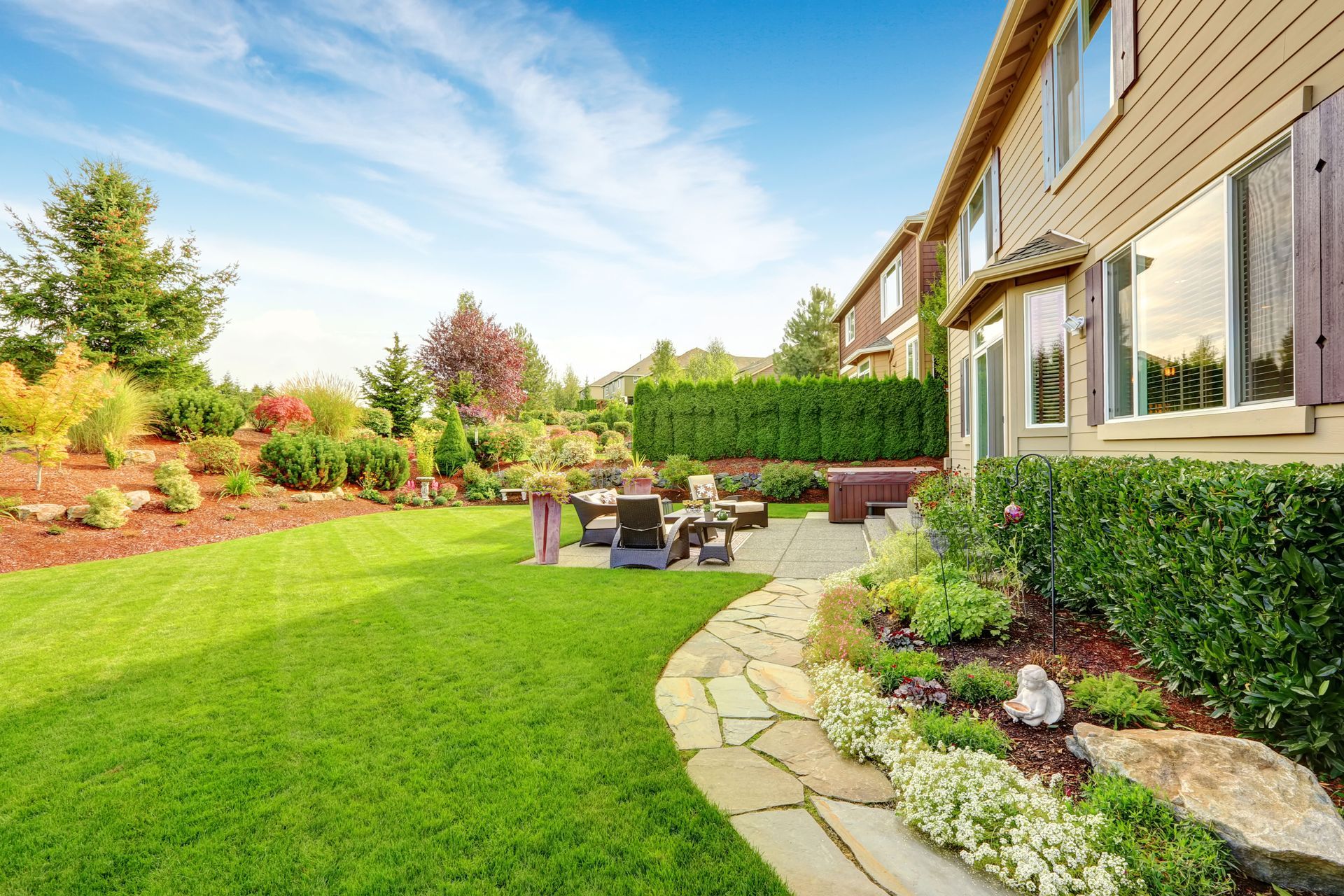
Shade can be an important part of making outdoor spaces comfortable. Patios, seating areas, play spaces, and walkways may become difficult to use when they receive intense direct sunlight for long periods. Designers can position these features near existing trees or structures that provide natural protection. In other cases, shade trees may be planted with future comfort in mind.
The location of shade can also affect how people use the property at different times of day. A breakfast area may benefit from morning light, while an afternoon gathering space may be more comfortable with protection from the western sun. Planning these features as part of the overall landscape can help the yard support daily routines as well as seasonal changes. Comfort and visual design can work together rather than being treated as separate goals.
Adjusting for Seasonal Maintenance Needs
Every planting plan creates some level of ongoing maintenance, and those needs can change with the seasons. Deciduous trees may drop leaves in fall, flowering plants may require pruning after blooming, and certain areas may need additional watering during hot or dry periods. Designers can consider these maintenance patterns before placing plants so routine care is easier to manage.
Seasonal maintenance can also influence how complex a design should be. Property owners who prefer lower-maintenance spaces may benefit from durable plants that require less frequent pruning, replacement, or seasonal attention. Others may enjoy rotating annual flowers or maintaining detailed garden beds. By discussing these preferences early, designers can create a landscape that fits not only the property but also the amount of upkeep the owner is prepared to handle throughout the year.
Planning for seasons and shade allows designers to create outdoor spaces that respond to changing light, weather, plant growth, and everyday use. Studying sun patterns, selecting plants for appropriate conditions, anticipating mature growth, balancing color and texture, and planning comfortable shaded areas can all contribute to a more functional design. Seasonal maintenance needs are also easier to manage when they are considered from the beginning instead of after installation. A carefully planned landscape can continue to evolve while maintaining a sense of balance as conditions change throughout the year. For professional help creating an outdoor space designed around your property's sunlight, shade, and seasonal needs, contact YardWorks.
Share On: