
The Truth About Hiring Landscape Designers for Your Property
A thoughtfully designed outdoor space can completely change the appearance and functionality of a property. Many homeowners dream about creating inviting patios, lush gardens, peaceful walkways, or outdoor entertainment areas, but turning those ideas into a cohesive design often requires far more planning than expected. While some people attempt landscaping projects on their own, others decide to work with professionals who can help organize ideas, manage space effectively, and avoid costly mistakes along the way.
That's one reason hiring landscape designers has become increasingly common for both residential and commercial properties. According to Workyard, well-designed outdoor spaces may increase property value by anywhere from 5.5% to 12.7%. Those numbers highlight how landscaping can affect not only visual appeal but also long-term property value. Still, many misconceptions remain about what landscape designers actually do and whether hiring one is worth the investment. In this article, we'll discuss the truth about hiring landscape designers for your property and why professional planning may make a meaningful difference in both appearance and functionality.
Landscape Designers Focus on More Than Visual Appeal
One of the most common misunderstandings about landscape designers is the belief that their work revolves only around flowers, shrubs, and decorative elements. In reality, outdoor design often involves much more than aesthetics. A successful landscape plan usually combines beauty with functionality so the property works well for the people who use it every day.
Landscape designers often evaluate drainage patterns, sunlight exposure, soil conditions, traffic flow, and long-term maintenance needs before creating a design plan. They may also consider how outdoor spaces connect with the architecture of the home or building. This broader approach helps create outdoor environments that not only look appealing but also function efficiently over time.
Many homeowners begin projects with inspiration photos or ideas collected online, only to realize that combining those ideas into one cohesive design can become difficult without professional guidance. That's where landscape designers may provide valuable direction.
Proper Planning May Prevent Expensive Problems
Outdoor renovations can quickly become expensive when mistakes occur. Improper grading may lead to drainage problems, poorly placed trees may interfere with foundations or utility lines, and overcrowded plants may require removal only a few years later. Even hardscape features like patios and walkways may create issues if they aren't planned carefully.
Landscape designers often help identify these concerns before construction begins. Their planning process may reduce the likelihood of unnecessary expenses caused by poor layout decisions or incompatible materials. While hiring a professional involves an upfront investment, many homeowners later realize that professional planning helped them avoid larger financial problems down the road.
In some cases, homeowners attempt to complete projects in phases over several years. Without an organized plan, those additions may eventually feel disconnected or inconsistent. Landscape designers can help establish a long-term vision so future updates fit together more naturally.
Outdoor Living Spaces Have Become More Popular
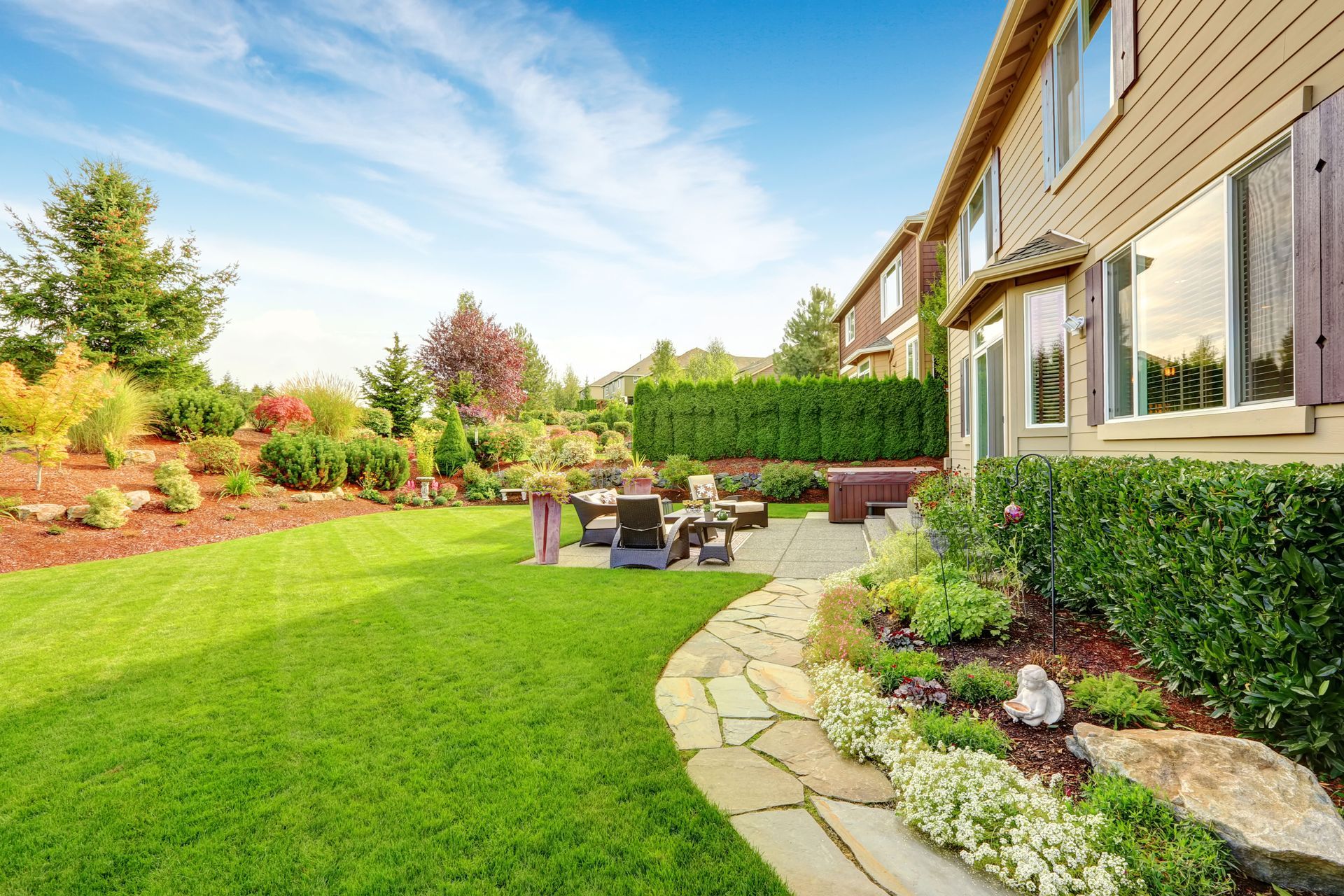
Landscaping today often extends far beyond planting grass and flowers. Many property owners now want outdoor areas that function like extensions of their indoor living space. Covered patios, outdoor kitchens, fire pits, dining areas, and lounge spaces have become increasingly popular in recent years.
Because of this shift, landscape designers frequently focus on how homeowners intend to use their outdoor space. Some families prioritize entertaining guests, while others may want quiet areas for relaxation or play spaces for children and pets. A thoughtful design plan can help organize these goals while making the yard feel more functional and comfortable.
As outdoor living trends continue evolving, homeowners often discover that creating a balanced layout involves more planning than expected. Factors like shade, privacy, lighting, seating placement, and traffic flow all influence how comfortable a space feels once completed.
Plant Selection Requires Careful Consideration
Another misconception is that plant selection simply comes down to choosing attractive flowers or trees. In reality, selecting appropriate plants requires careful consideration of climate conditions, water needs, growth patterns, and maintenance requirements.
Landscape designers typically evaluate how plants will perform over time rather than focusing only on their appearance during installation. Some plants may require extensive upkeep, while others may outgrow their designated areas surprisingly quickly. Improper plant placement may also interfere with walkways, foundations, irrigation systems, or neighboring plants.
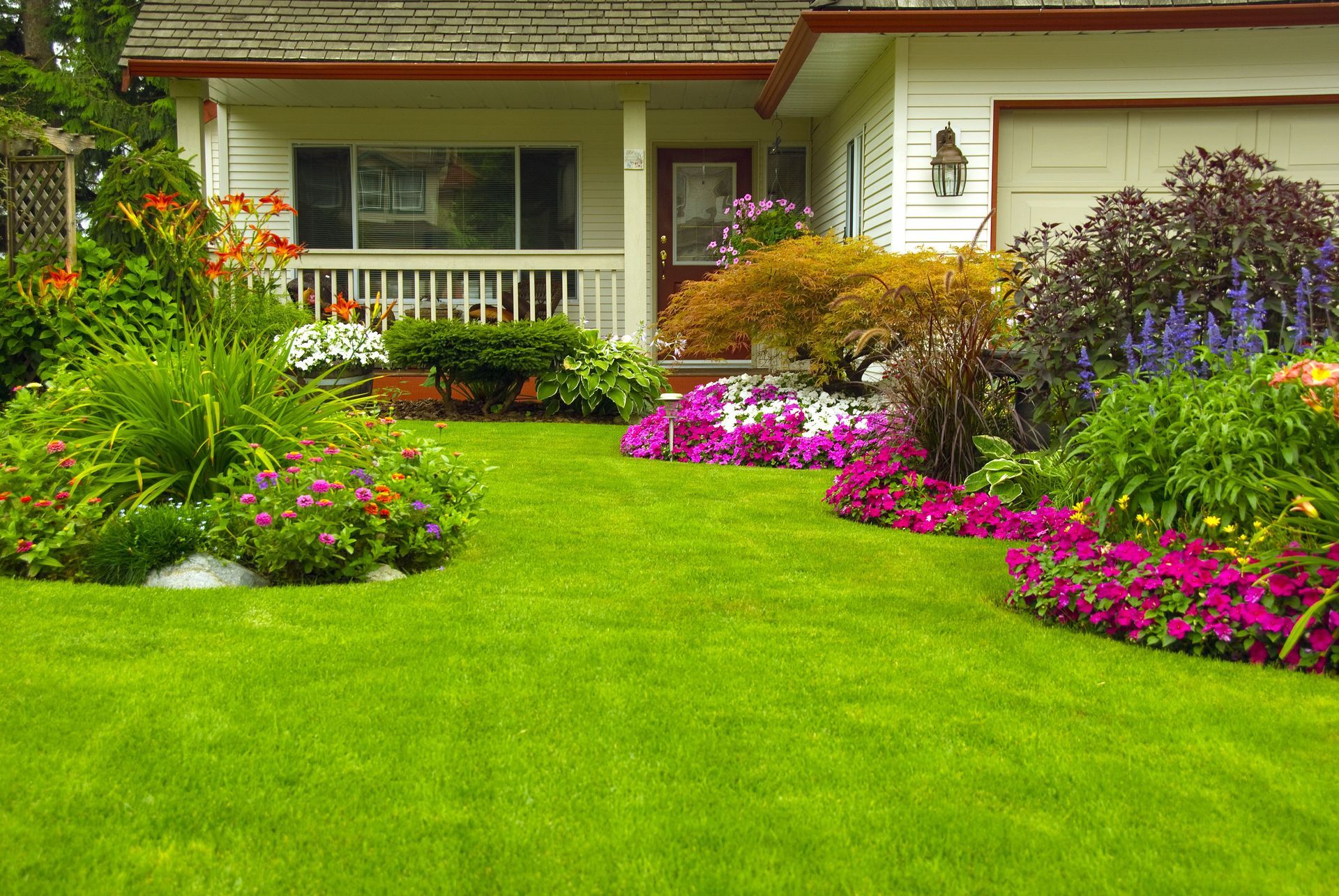
Professional planning may help homeowners choose plants that align with both aesthetic preferences and maintenance expectations. Some property owners want colorful gardens that change seasonally, while others prefer lower-maintenance landscaping that requires less frequent care. Landscape designers often tailor recommendations based on those preferences.
This level of planning may also help outdoor spaces maintain a more polished appearance throughout the year rather than looking overgrown or inconsistent after only a few seasons.
Hardscape Features Often Shape the Entire Layout
While plants receive much of the attention during landscaping projects, hardscape elements frequently play an equally important role. Patios, retaining walls, walkways, driveways, and stone features often determine how people move through and interact with outdoor spaces.
Landscape designers usually coordinate hardscape elements carefully so they complement both the property and the surrounding landscaping. Material choices, elevation changes, drainage considerations, and spacing all contribute to how functional and visually balanced the final design feels.
Improper hardscape installation may create long-term issues involving standing water, uneven surfaces, or cracking materials. Because these structures often remain in place for many years, thoughtful planning becomes especially important during the early stages of the project.
Many homeowners underestimate how significantly hardscapes affect the overall feel of a property until construction begins. Landscape designers often help create a smoother transition between structural features and natural elements.
Sustainability Has Become a Larger Priority
As environmental awareness continues growing, many homeowners now prioritize sustainable landscaping practices. Water conservation, native plant selection, and reduced maintenance demands have become increasingly important considerations during outdoor renovations.
Landscape designers often incorporate environmentally conscious solutions into their plans without sacrificing appearance or functionality. Native plants, drought-tolerant landscaping, efficient irrigation systems, and permeable paving materials may all contribute to a more sustainable outdoor environment.
These choices may also reduce long-term maintenance costs while helping properties remain visually appealing throughout changing weather conditions. In regions where water restrictions exist, sustainable landscaping may become especially valuable for homeowners seeking attractive but manageable outdoor spaces.
The growing emphasis on sustainability has encouraged many landscape designers to blend environmental responsibility with modern outdoor design trends.
Communication Plays a Major Role in Successful Projects
Some homeowners hesitate to hire landscape designers because they worry about losing creative control over the project. However, successful landscaping projects often rely heavily on collaboration between the homeowner and the designer.
Good communication helps establish clear expectations regarding budget, style preferences, maintenance goals, and project timelines. Landscape designers typically work to understand how clients plan to use the property before developing recommendations.
The more clearly homeowners express their priorities, the more personalized the final design may become. Some clients prefer modern, minimalist landscapes, while others want lush gardens filled with colorful plantings. Open discussions about maintenance expectations also help prevent frustration later.
This collaborative approach often allows homeowners to feel more involved throughout the process while still benefiting from professional planning and organization.
If you're considering improvements for your yard or outdoor living space, speaking our team at YardWorks may help you turn your ideas into a more organized and functional plan. A carefully designed landscape may provide lasting beauty, comfort, and long-term value for your property.
Share On: