
4 Low-Maintenance Landscape Designs Perfect for Busy Homeowners
For homeowners with jam-packed schedules, maintaining a pristine and lush landscape can often feel like a daunting task. However, achieving an attractive outdoor space doesn't have to be time-consuming. This article explores several innovative low-maintenance landscape designs, offering solutions for those who want a beautiful yard without the hassle. Embracing techniques that require minimal upkeep, these designs are perfect for anyone looking to enjoy a well-kept garden without the constant maintenance. In this comprehensive guide, we will uncover the various practices and strategies homeowners can adopt to create stunning, easy-to-care-for landscapes that blend sustainability and aesthetics.
1. Xeriscaping: The Water-Wise Approach
Drought-Tolerant Plants
Xeriscaping is an innovative landscaping method that focuses on water conservation through the use of drought-tolerant plants. These species are specifically adapted to thrive in environments with minimal water, making them ideal candidates for low-maintenance gardens. By carefully selecting such plants, homeowners can significantly reduce their garden's dependency on frequent irrigation. This not only conserves water but also minimizes the effort required in maintaining the landscape. Incorporating drought-tolerant plants leads to a resilient garden that can withstand dry spells and flourish with minimal intervention.
Efficient Irrigation Technologies
Incorporating efficient irrigation technologies is a key aspect of successful xeriscaping. Drip irrigation systems, for instance, deliver water directly to the plant's roots, significantly reducing evaporation and water loss. This method is not only water-efficient but also drastically minimizes the time homeowners need to spend on watering. Advanced irrigation controllers can be used to schedule watering times and adjust for seasonal weather changes, further easing the burden of garden maintenance. Embracing these technologies leads to a more sustainable garden that aligns with busy lifestyles.
Use of Mulching for Moisture Retention
Mulching plays a crucial role in enhancing soil moisture retention within xeriscapes. A layer of mulch helps to reduce evaporation, maintain consistent soil temperature, and suppress weed growth, all of which contribute to a healthier, low-maintenance garden. By selecting the right type of mulch, whether organic or inorganic, homeowners can significantly cut down on the need for frequent watering. Mulching not only supports plant health and vigor but also adds to the aesthetic appeal of the landscape. When properly applied, mulch can effectively optimize garden efficiency and minimize upkeep time.
2. The Beauty of Perennial Gardens
Selection of Low-Maintenance Perennials
Perennial gardens offer a long-lasting and beautiful approach to landscaping that requires minimal care. By selecting low-maintenance perennials, homeowners can enjoy year-round color and texture with reduced labor. Plants like lavender, daylilies, and sedums are known for their hardiness and ability to withstand various environmental conditions. These perennials come back each year, eliminating the need for replanting and significantly cutting down on garden maintenance tasks. A well-planned perennial garden can provide continuous visual interest with a fraction of the effort required by annual varieties.
Companion Plant Groupings
Companion planting is a strategic approach to garden design that involves grouping compatible plants together to enhance growth and deter pests. By creating a harmonious ecosystem, these plant groups support each other's health, leading to diminished pest presence and improved resilience. This technique allows gardeners to naturally manage potential threats without resorting to chemical interventions. Furthermore, companion planting can enhance nutrient availability and contribute to a balanced garden environment. Implementing such groupings reduces hands-on time and enriches the overall plant health, making garden maintenance less demanding.
Seasonal Color Planning
Seasonal color planning involves selecting perennials that bloom at different times of the year, thereby ensuring continuous garden interest. By choosing a variety of species with staggered bloom periods, gardeners can enjoy a vibrant landscape throughout the year without needing to replace plants frequently. This approach not only maximizes the visual appeal of the garden but also minimizes the workload associated with seasonal planting. Gardens planned in this manner require less frequent changes and provide long-lasting beauty. Such thoughtful color planning is ideal for homeowners seeking a dynamic yet low-maintenance garden solution.
3. Utilizing Hardscapes for Visual Interest
Pathways and Walkways
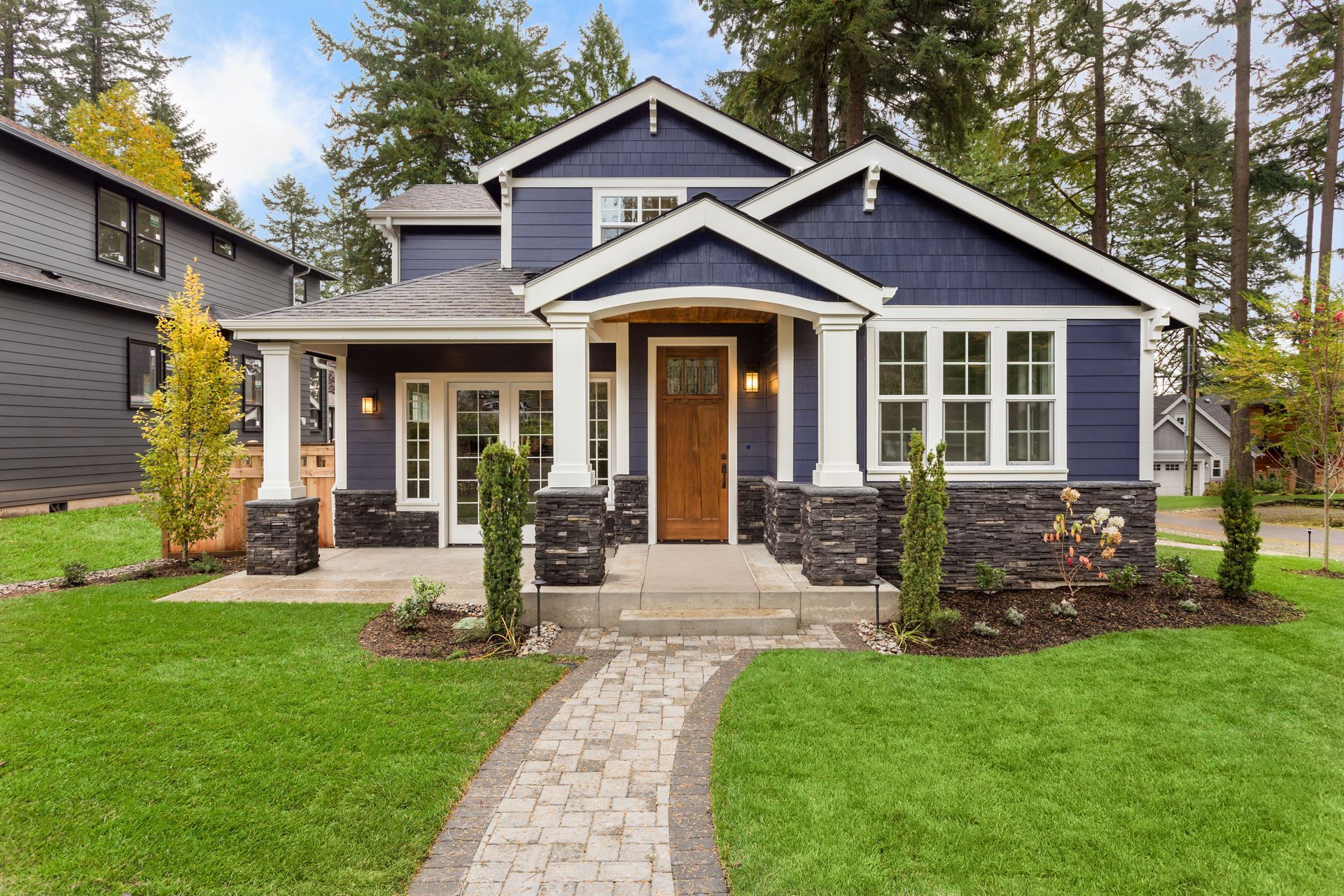
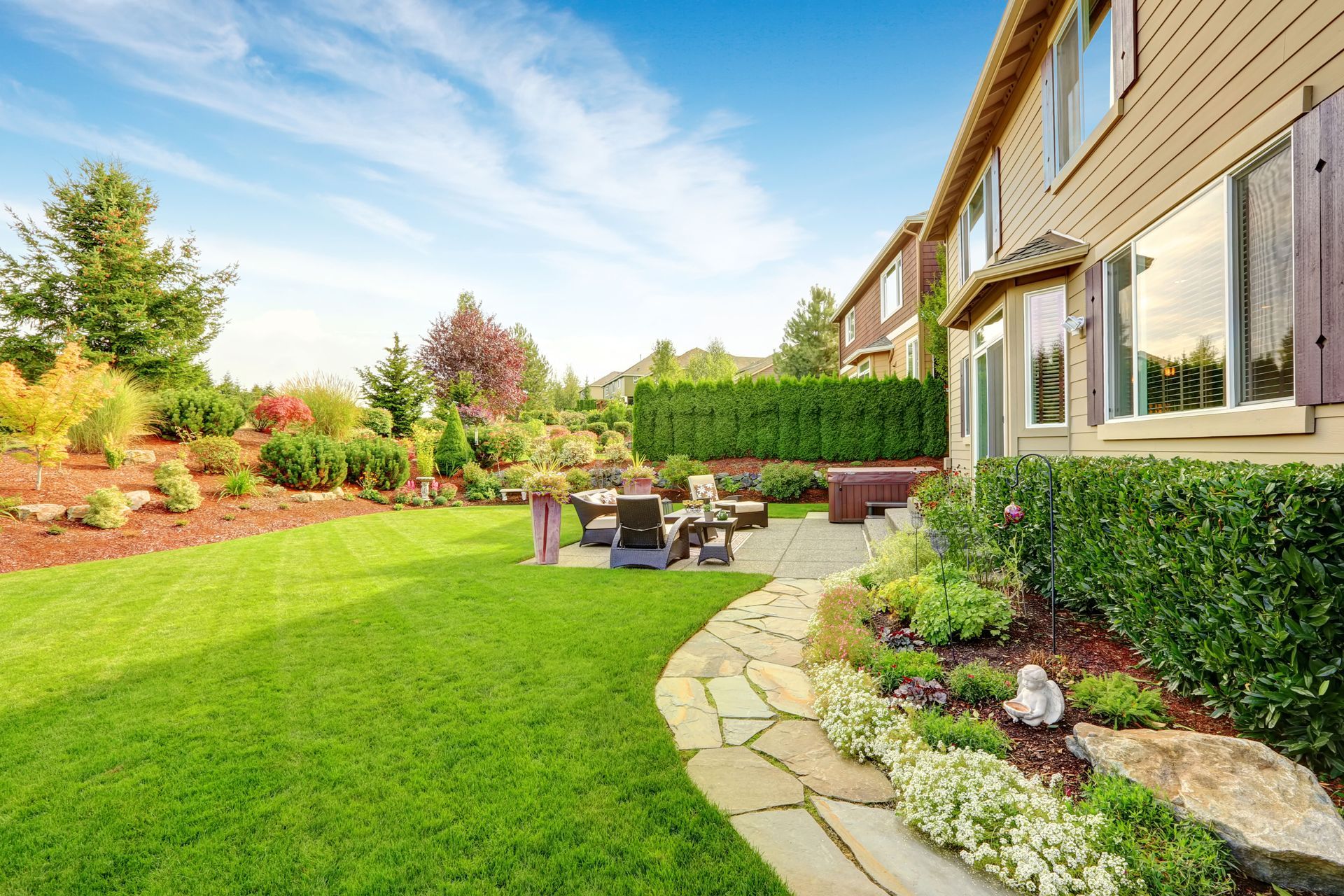
Hardscaping provides numerous opportunities to enhance both the functionality and aesthetic of outdoor spaces. Pathways and walkways, for example, offer clean lines and defined spaces that help organize garden layouts while also adding visual interest. These elements facilitate easy navigation through the garden and reduce maintenance by decreasing the area requiring regular care, such as mowing or watering. The use of materials like stone or pavers not only adds durability but also complements various landscape styles. Creating such features allows for a practical yet attractive garden that demands significantly less upkeep.
Patios and Courtyards
Patios and courtyards serve as versatile outdoor living spaces that enhance the garden's usability and aesthetics with minimal maintenance required. These areas provide perfect spots for relaxation, entertaining guests, or simply enjoying the outdoors in a comfortable setting. With a wide array of materials such as brick, stone, or concrete available, homeowners can tailor these spaces to match their preferred style while ensuring easy upkeep. Patios are designed to withstand various weather conditions, making them a durable investment in any garden. By integrating patios and courtyards, homeowners create functional extensions of indoor living spaces with reduced time spent on care.
Incorporating Retaining Walls
Retaining walls are a practical hardscape feature that offers multiple benefits within a landscape. They help manage slopes and prevent soil erosion while adding structural depth and texture to gardens. With the ability to integrate seating or planters within their designs, retaining walls serve multiple purposes with minimal maintenance. Materials such as stone or timber bring durability and can be customized to fit various design preferences. The strategic use of retaining walls enhances both form and function within a garden space, ultimately leading to a more manageable landscape.
4. Groundcovers as Lawn Alternatives
Diverse Groundcover Options
Groundcovers offer an exceptional alternative to traditional lawns, providing diverse options that require significantly less maintenance. With species ranging from creeping thyme to mondo grass, groundcovers can adapt to different climates and soil conditions, ensuring broad usability. These plants provide excellent coverage, helping to suppress weeds naturally and improve soil health by preventing erosion. Groundcovers also contribute varying textures and colors to a garden, creating a visually appealing landscape without frequent mowing or watering. As lawns cover about 40 million acres of land in the U.S., according to Workyard, shifting some of these areas to groundcovers could significantly reduce maintenance time and resources.
Benefits Over Traditional Lawns
Groundcovers present numerous benefits over traditional grass lawns, making them a popular choice for low-maintenance gardening. One of the primary advantages is their reduced need for watering, as many groundcovers are more drought-resistant than conventional turf. Additionally, groundcovers eliminate the regular mowing requirements associated with grass lawns, freeing up time for busy homeowners. They also provide ecological benefits by promoting biodiversity and enhancing soil quality. Opting for groundcovers in place of traditional lawns leads to a sustainable and resource-efficient approach to yard management.
Planting and Establishment Tips
Establishing groundcovers effectively involves certain strategic practices to ensure optimal growth and cover. Preparing the planting area by removing existing grass or weeds is essential for giving groundcovers room to spread and thrive. Providing adequate spacing between plants allows them to fill in quickly and form a solid cover, helping outcompete weeds. Consistent watering during the establishment phase encourages deep root growth and ensures robustness later on. As the plants mature, it's important to monitor them and maintain minimal trimming to encourage lush growth. These practices contribute to a thriving groundcover landscape that demands little attention over time.
Creating a low-maintenance landscape does not mean sacrificing beauty or biodiversity. By embracing thoughtful design and sustainable practices, busy homeowners can have an outdoor space that provides both relaxation and aesthetic pleasure. Whether incorporating drought-resistant plants, hardscapes, or edible components, these designs offer practical solutions to fit demanding lifestyles while promoting environmental stewardship. The wealth of choices presented ensures that every garden can be adapted to meet specific needs while requiring minimal attention. If you're looking for landscape design services, contact YardWorks today.
Share On: